Eduardo Leal is a Portuguese documentary photographer based in Macau, China. He is a graduate in Journalism at Escola Superior de Jornalismo in Porto, Portugal, he also has a masters degree in Photojournalism and Documentary Photography from the London College of Communication.
From 2009 to 2014, Eduardo was a consultant to The Arpad A. Busson Foundation. He was a part of the curatorial team for the exhibitions at International Centre of Photography [ICP] in New York in 2010 and at the Garage CCC in Moscow during 2011. He is also a part of the editorial and design team on “Cuba in Revolution” book which was published by Hatje Cantz in 2013.
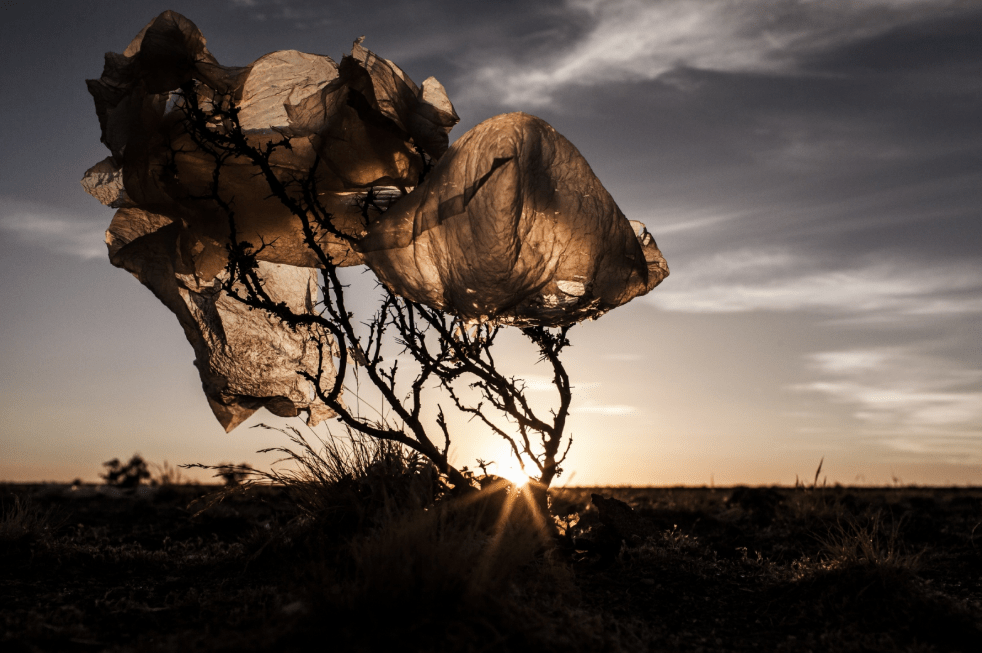
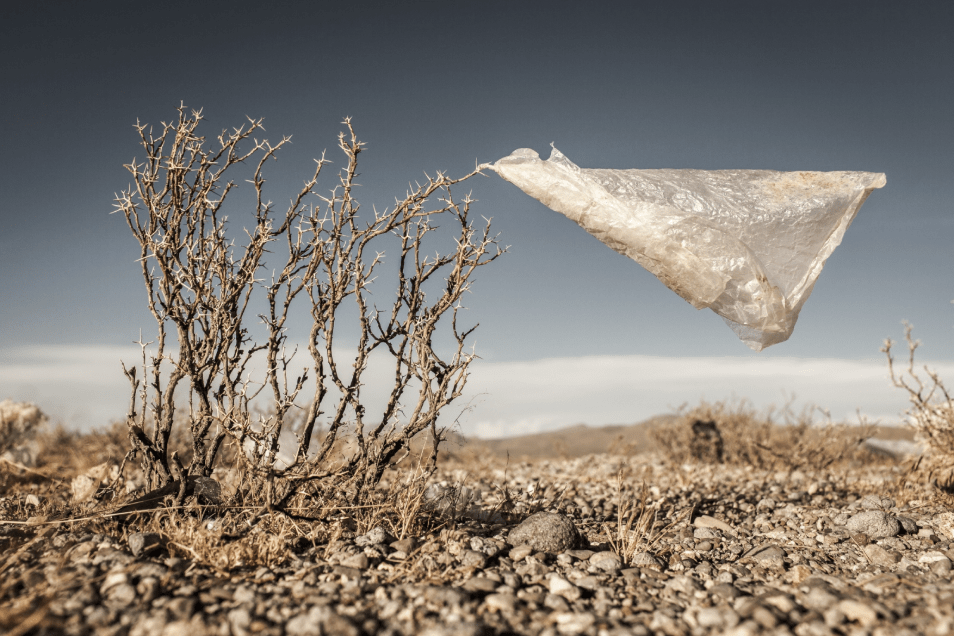
Eduardo did a series in 2015 called “Plastic Trees ” where he travelled to the Bolivian Altiplano, a vast landscape where millions of plastic bags get stuck on bushes and branches, damaging said landscapes. He did this in order to bring awareness to the problem at hand, he wanted to call attention to the affect that waste causes. Not only to the landscape around us but also to the wildlife.
The Guinness Book of World Records stated that plastic was “the most ubiquitous consumed item in the world” as plastic bags may be useful, they are also the main source for pollution – since the majority of plastic bags are not biodegradable and are made of a durable material that can last in the environment for years on end, it does a lot of damage to the environment. Plastic bags are the most common source of pollution, being found in: the ocean, on the street and on the shoreline. It can also be found nearly anywhere over the world – the Artic or even Mount Everest.
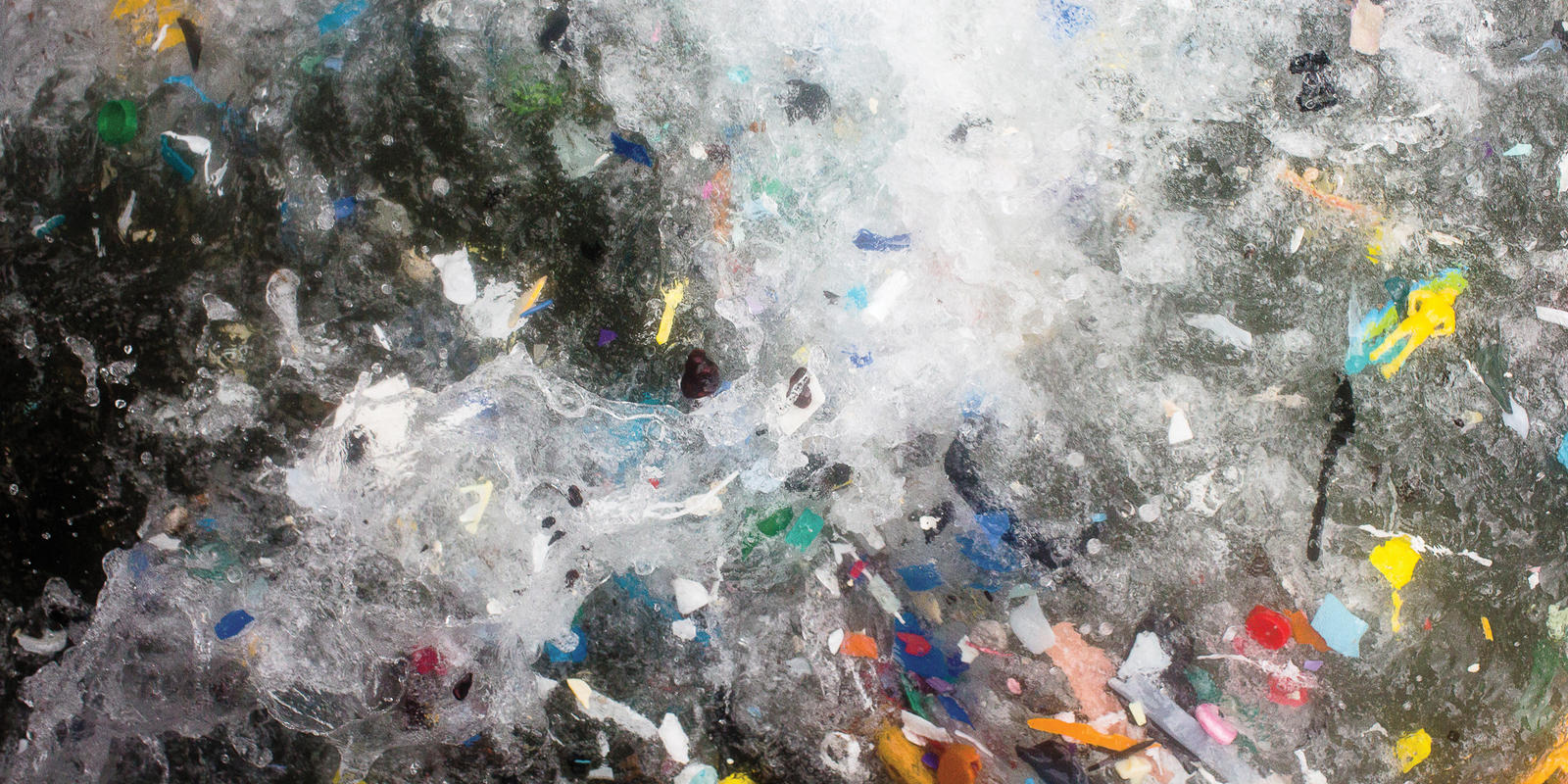
The other topic in his “Plastic” series is “Plastic Sea” where he went to a remote beach near the Colombian Darien Gap – no people inhabit the area, however a large amount of plastic washes up to the shoreline.
More than 448 million tons of plastic are produced each year, out of that around 5.3 million to 14 million tons enters the ocean. This means that one garbage truck is dumped into the ocean every minute, plastic can take around 400 years to decompose which only worsens the situation. By around 2050 there will be more plastic in the ocean than fish – by weight. Plastic is the most common element found in the oceans and it’s presence kills more than 1 million seabirds and 100,000 marine animals die due to ingestion and entanglement of plastic.
 stevenson.snaps