Final Evaluation [Unit 7]

In this unit we were given the task of creating 3 staged images whilst thinking of incorporating our own narrative or a “twisted” narrative in the theme of a movie set. As well as write a bibliography of all sources used for said project.

During this unit, I encountered a few issues however for the most part I enjoyed the idea of turning a few scenes from a movie into an image. I found it intriguing as I knew the main challenge would be to try and let your photos tell the story rather than having to add additional information alongside them, although it can help.

Despite the fact of not doing as much experimentation shoots as I should have, I did learn how to clone images to make it appear as though there are multiple versions of a person and/or objeccts. At first it took me a while to get the positioning right and correct portions but it slowly got easier, straight away I knew I would use that technique during my final piece.

One of my favorite artist out of the various artists I researched for my piece had to be Daisuke Takakura as his work really helped me see how cloning should be done, it shouldn’t just be as simple as just cloning the model repeatedly, subtle interactions can give the image a better feel. His work really helped guide me through some of my mental blocks as there were moments I didn’t quite know what I was going to do and became stuck, however his work gave me ideas to work with.

The main issue I originally struggled with was finding a movie that had a story line that I felt passionate about or felt some sort of connection to. At first I was simply going to recreate some scenes from a few movies I enjoy, but again I wanted a strong message. Then after some thinking I decided a movie tackling mental health would be good as I personally feel as though it isn’t touched upon too often, although it is becoming more common.

Personally I feel the most successful part of my project was the research as I believe you can tell which artists I became quite fond of and found their work interesting. For the next project I am definitely going to ensure I get an equal amount experimentations and research rather than one or the other,
 

Artist: Daisuke Takakura

Image result for Daisuke Takakura

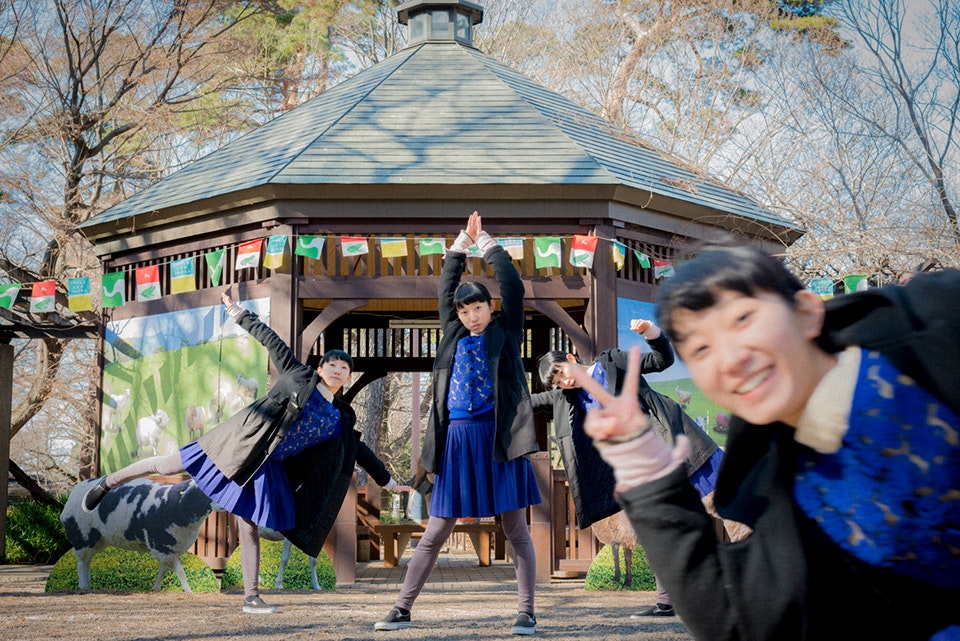
Daisuke Takakura is notorious for his clever use of cloning in his images casting the illusion of multiple versions of a model, although looking identical they all seem to vary personality wise.

The subtle interactions between the different versions of the model gives the image that little bit more liveliness to it and adds a bit more character to it.

Image result for Daisuke Takakura

In most images the blurry effect can be quite a nuisance however in this instance it helps give it a more “homemade” feel to it, by this I mean it makes the image feel like a group of friends taking some fun photos which is exactly what it depicts.

His work doesn’t seem like the generic “cloning yourself” into an image and that’s it, he makes them feel a lot more lively and almost personal.

Image result for Daisuke Takakura

This image is another great example as this image doesn’t look as though it’s been cloned, once again it feels like an image of just some friends having a good time. I really enjoy looking at his work as it has a different atmosphere to other clone photographers.

Image result for Daisuke Takakura

Related image

Related image

As I mentioned before, his use of subtle interactions in the images makes it so much more believable that there are multiple people in the image. Even down to minor details such as the various facial expressions or the person by the projector at the back of the theatre.

During an interview with IPA (International Photography Awards) he revealed he first discovered his passion for photography after he entered some competitions which took no notice of his work. He also disclosed the fact that he was inspired by American photographer Ryan McGinley. Daisuke said his work represents communication to himself as well as the numerous faces and capabilities humans have, he went on to add that it also shows the people who provoke him.

He later went to say in an interview with PetaPixel that he wanted to “harness the expressive power of theatre in still images” as although he is a photographer and a designer, he is also involved in theatre- something he enjoyed ever since he was young. The style/theme he uses is classed as “Monodramatic“.

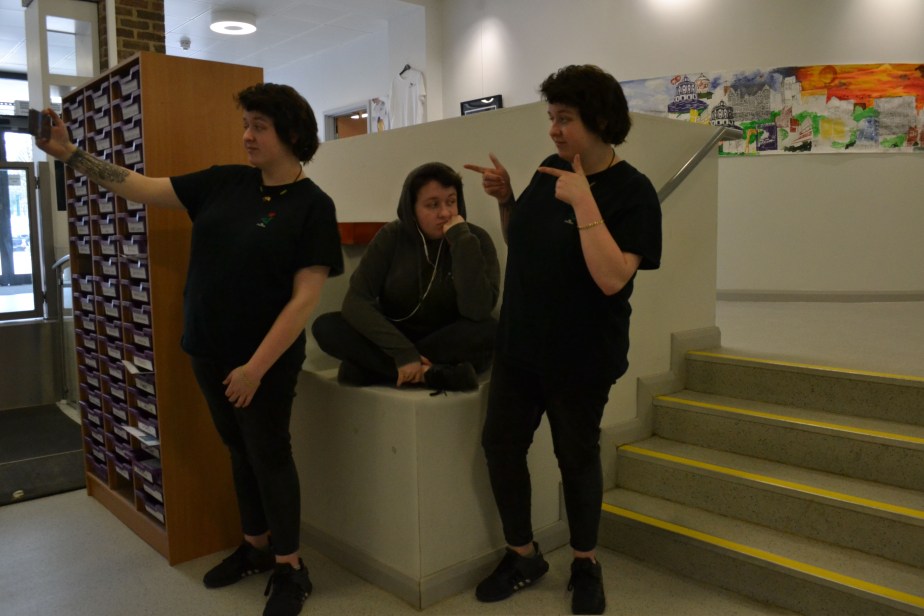
Cloning (Workshop)

Cloning.jpg

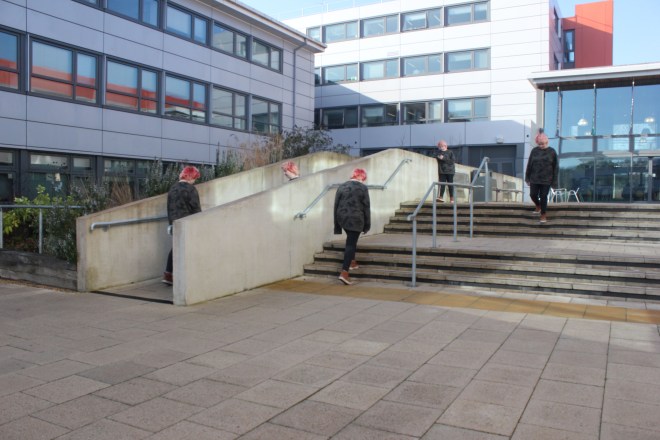
In today’s workshop, we were introduced to cloning using photoshop. First we had to set up our camera in a place that allowed the shot to have a sufficient amount of light, thankfully the weather today was quite nice meaning the sun was shinning allowing there to be plenty of natural light.

Then we planned what kind of a scene we wanted to create, so we went with quite a basic scene with people walking around.

Artist: Ryan Schude

Image result for ryan schude

Red House (2012)

Ryan Schude’s photography can tell numerous different stories which vary depending on where you look in the image. At first glance his piece “Red House” simply looks like two young girls sitting outside of a small house. However, once you take a closer you look you can see the two older figures looking as though they are in a heated argument, the child on the steps wears a bored expression but also seems transfixed on the object in her hand. The older girl has a bottle clutched in her hand whilst she stares off into space, clearly both girls seem accustomed to this behaviour.

title:

The Saturn (2007)

This image  from his piece “The Saturn” also has many stories to be told, the first thing that caught my eye was the woman tossing a suitcase from the balcony. Below the balcony stands a man half dressed, to me that could be due to an argument or possibly something more serious. Further in the back is a figure sat alone almost spectating the couple’s argument up ahead. There’s a child who is simply sat on the pavement which could be the man’s child or she belongs to a different family who lives there.

Ryan Schude is known for his staged images, they all have different themes to them but all tell a story nonetheless. The way he lights up certain models shows he wants you to see them, not all are as obvious for example; the man on the first floor seems to be watching TV, the dim light from the screen is the only source of lighting on him but it still makes him visible.

title:

Dream Nostalgia

Schude’s piece “Dream Nostalgia” personally, feels like it’s what he wishes his childhood was like. A beautiful house in a secluded area, the family seemingly enjoying themselves without a care in the world. However I believe everyone has that dream location in their head, or that wish that a certain time could have ended differently.

Ideas [Unit 7]

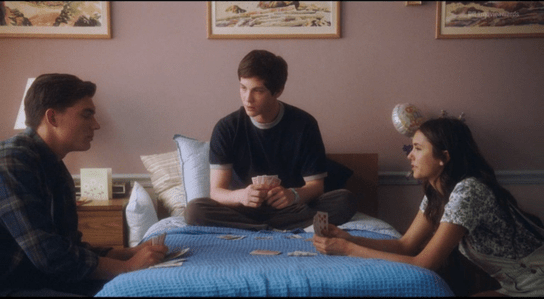
The movie I have chosen to recreate scenes from is “The Perks Of Being A Wallflower” a movie which follows the character Charlie, a student/aspiring writer who spends the majority of his time watching life pass from the side, never really getting involved with people. Throughout the film we watch him struggle to become comfortable with himself due to his depression and anxiety, he also shows sign of PTSD caused by childhood trauma.

During his time attending high school, he spends his time focusing on his work and struggling to fit in. One day he becomes friends with two other students who are the polar opposite of him who slowly get him to come out of his shell, Sam and her step brother Patrick.

Image result for perks of being a wallflower stills

Charlie spends his time helping his new found friend, Sam to pass. In his free time he spent more time going out and about with his two new friends and slowly starting to become happier. He attends parties with them and starts befriending some of his piers, a lot of people enjoying his innocent sense of humour and how polite he was.

Sadly, his friendship with the two siblings comes to an end when they have to leave for college whereas Charlie still had another year or so left in school leaving him alone again. This causes him to relapse and begin to fall back into a rut.

170799279

After calling his sister who was away from home, he starts talking about how he feels causing her to get quite worried due to his history and begged for him to stay on the phone whilst she instructs a friend to call the police to her house. We don’t see what else happens until we see has been sent to a mental institution to get him back on track.

In this scene he is visited by his sister Candace and his older brother Chris whilst at the mental institution.

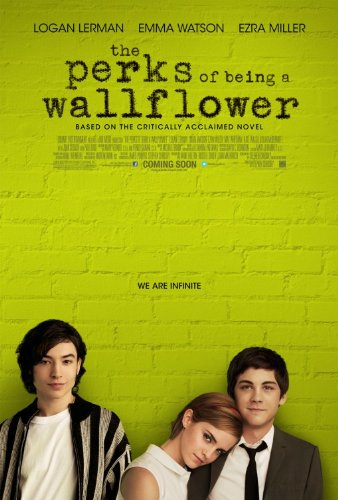
Image result for perks of being a wallflower movie poster

Originally I was going to simply re-create the scenes however as we have to twist the scenes slightly I knew that it wasn’t going to work. But what I thought I could do as a little extra piece is re-create the movie poster.

Related image

Image result for the perks of being a wallflower scenes

Image result for the perks of being a wallflower scenes

Artist: Jeff Wall

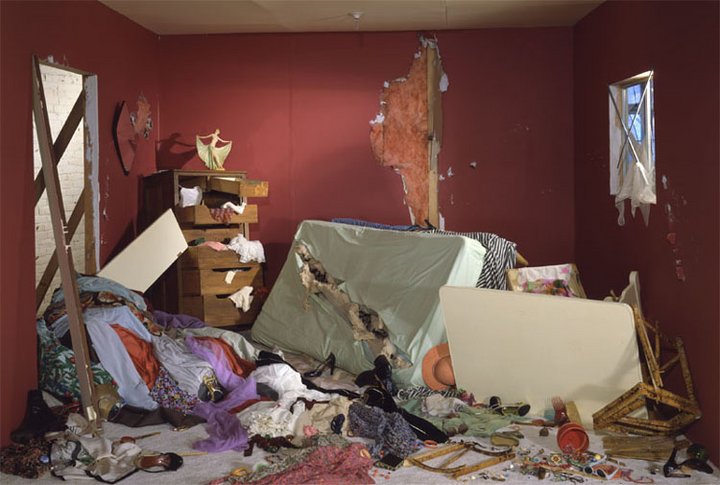
Jeff Wall produced his first backlit staged image in 1977, he experimented whilst an undergraduate at UBC. He later presented at his first exhibition in 1978 where he then had his piece “The Destroyed Room” in the front of the store.

Image result for jeff wall the destroyed room
The Destroyed Room (1978)

Related image

Picture For Women (1979)

Another piece of his, “Picture for Women” released in 1979, was considered one of his pieces to really kickstart his success, as well as “The Destroyed Room” which also became one of his recognised pieces. It’s quite an interesting piece as it seems rather simplistic; two figures within a rather bare setting of what looks to be some kind of studio. The room is practically empty besides the few desks and chairs. The woman appears to be wearing a serious look, almost in deep thoughts whereas the man; Jeff Wall seems to be watching something behind the camera. Art critic, Jed Perl described the image as his signature piece.

Image result for jeff wall a sudden gust of wind

A Sudden Gust Of Wind (1993)

Jeff’s piece “A Sudden Gust Of Wind” was heavily influenced after Katsushika Hokusai’s piece “Yejiri Station, Province of Suruga” which was originally a woodblock print created in 1832. The image has several actors which had been cloned into the image to create the illusion of several people in the image.

Image result for yejiri Station, Province of Suruga

Yejiri Station, Province of Suruga (1832)


Artist: Erwin Olaf

Erwin Olaf first started his journey by documenting the nightlife during the 1980’s. Since then he has done a mixture of series; in black and white (squares, chessmen and blacks) as well as some in colour (rain, hope, mind of their own, dusk and dawn).

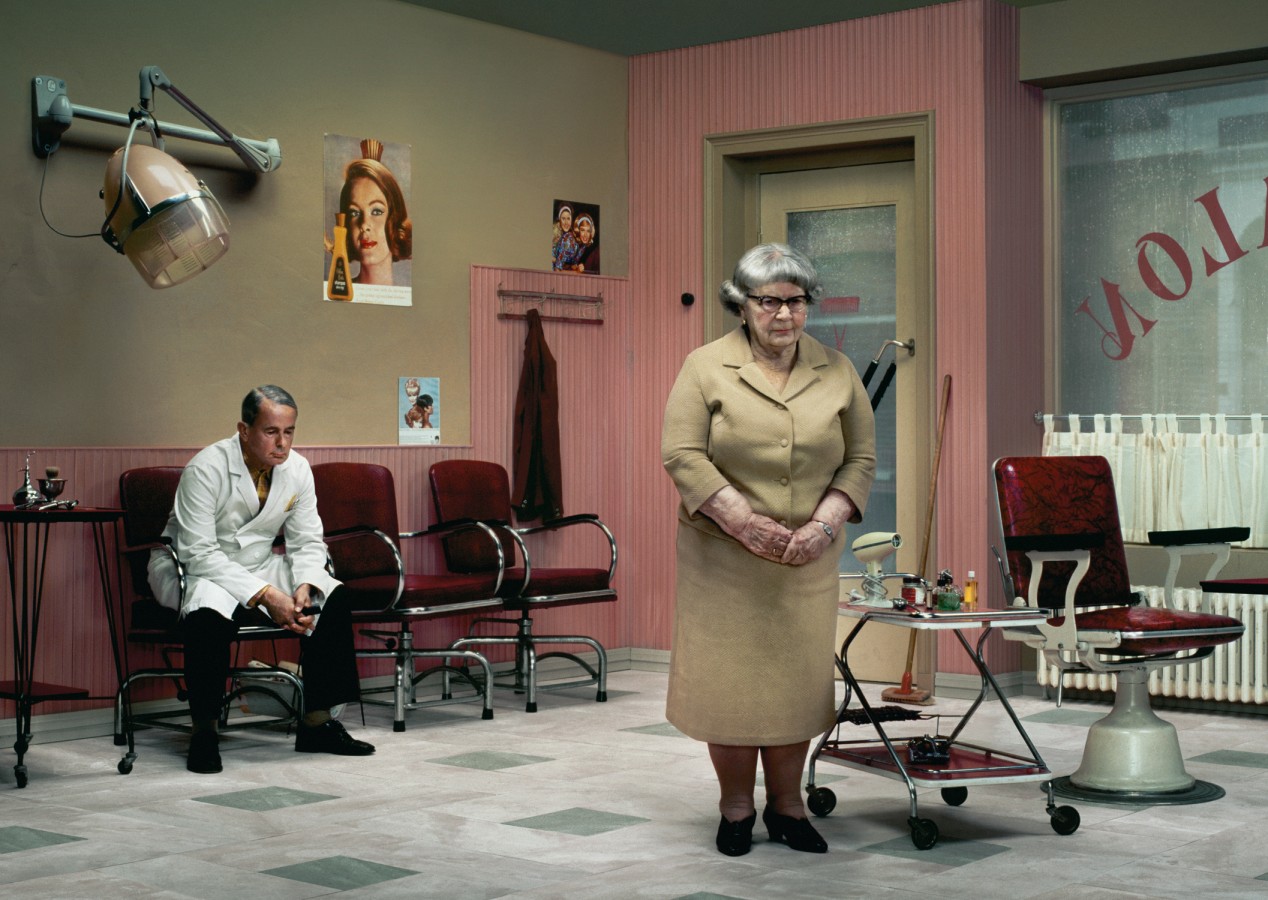
Olaf developed his theme after starting these series, where the image seemed average until you start to dissect it. For example, the image above seems like she is simply at a hairdresser’s however they both wear a look of deep concentration or possibly sadness. This then makes you question, do they know each other? Have they had an argument?

He has done commission work for big companies such as Louis Vuitton and Vogue.

Image result for erwin olaf photography

This picture has quite a dull theme despite the yellows, but combining the yellow with the brown leaves the image with quite a bland theme. The two models within the room are quite tense; she’s looking away, almost avoiding eye contact with a brooding look whilst he looks at her. The door is left open which could mean she has only just entered the room meaning this was a quick interaction.

Image result for erwin olaf photography

Following his common theme, it appears as though they have had some form of argument due to the serious look upon the woman’s face, whilst the man in the back seems to be lost in his thoughts. They could have been recovering from a previous fight and she is trying to convince herself to enter the room.

Related image

The majority of Erwin’s series involve similar lighting giving the series something to link them together. He mainly has quite dimmed lighting which gives the scene a darker feel to it.