
Daisuke Takakura is notorious for his clever use of cloning in his images casting the illusion of multiple versions of a model, although looking identical they all seem to vary personality wise.
The subtle interactions between the different versions of the model gives the image that little bit more liveliness to it and adds a bit more character to it.
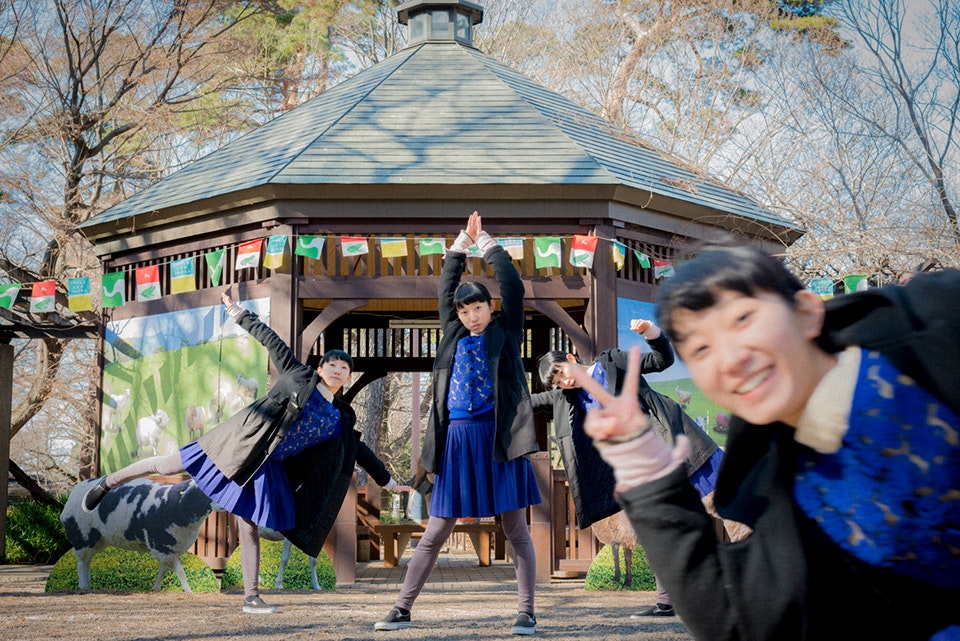
In most images the blurry effect can be quite a nuisance however in this instance it helps give it a more “homemade” feel to it, by this I mean it makes the image feel like a group of friends taking some fun photos which is exactly what it depicts.
His work doesn’t seem like the generic “cloning yourself” into an image and that’s it, he makes them feel a lot more lively and almost personal.

This image is another great example as this image doesn’t look as though it’s been cloned, once again it feels like an image of just some friends having a good time. I really enjoy looking at his work as it has a different atmosphere to other clone photographers.


As I mentioned before, his use of subtle interactions in the images makes it so much more believable that there are multiple people in the image. Even down to minor details such as the various facial expressions or the person by the projector at the back of the theatre.
During an interview with IPA (International Photography Awards) he revealed he first discovered his passion for photography after he entered some competitions which took no notice of his work. He also disclosed the fact that he was inspired by American photographer Ryan McGinley. Daisuke said his work represents communication to himself as well as the numerous faces and capabilities humans have, he went on to add that it also shows the people who provoke him.
He later went to say in an interview with PetaPixel that he wanted to “harness the expressive power of theatre in still images” as although he is a photographer and a designer, he is also involved in theatre- something he enjoyed ever since he was young. The style/theme he uses is classed as “Monodramatic“.






 stevenson.snaps