Nature

Image result for macro photography nature

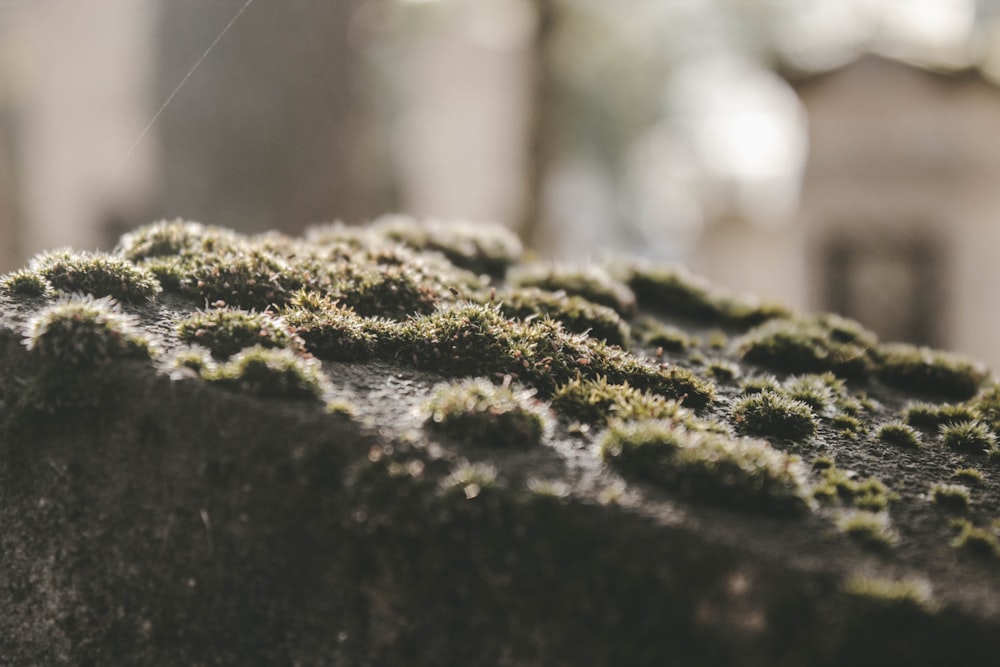
Nature has always been something I’ve been fascinated by – I love learning more about it and try to make it the focus of all my photography when possible. During the beginning of the project I found it quite a struggle as I didn’t quite know how I was going to incorporate nature into this unit, however I want to showcase the beauty of nature through macro photography.

I had never tried macro up until a few weeks ago, however it definitely helped me realised that is perfect for my project.

Image result for macro photography nature

Macro photography has always been something I have seen but never even thought about trying to experiment with. It’s always proven to capture some truly beautiful shots such as the ones above, which only lead me to be more intrigued by it.

Although I am well aware that I will likely be unable to capture shots quite like these, I am still determined to capture some good shots. My experimentations so far have proven I will be able to get a series of good shots, I just need to experiment further with different textures and objects in order to do so.

Image result for macro photography nature

Macro [Experimentation]

As I somewhat had an idea on what I wanted to do for my project, I decided to immediately get onto doing some experimentations in oder to figure out the kind of textures I thought looked best for my project and also to get me used to macro photography – leaving me with a clean and crisp image.

During the beginning I couldn’t get used to the focus, so a few images were out of focus or in some cases, they were too dark but I feel like the experimentations were successful overall.

However, it’s not a disaster if they come out like the image above as personally, I thought it looked quite nice – the focus wasn’t too bad, the image itself is however dark.

This image came out very well, the white background definitely helped make the image less dull and this was one of the image that I felt the focus was best.

I experimented with other objects to try and explore the different textures as well as improve my lighting since a portion of the photos were quite dark or out of focus. However, I quite like this image as it had splash of colour and there was more than one colour.

I plan to continue exploring different textures and methods to help with my experimentations.

The focus wasn’t the best on my last two photos however I was determined to try out a few other objects before calling it quits. I was starting to get the hang of focus, so I tried using a smaller object – a pin and then I tried a plastic wheel.

Evaluation

At the beginning of the unit I wanted to incorporate my passion for animals into my project, however I wasn’t one hundred percent as to how I would execute it.

I was given the idea to attempt something similar to Richard Phibbs’ “Rescue Me” project – photographing the dogs at a local shelter to create a book with information on the dogs, talking about the abuse or mistreatment they received in order to bring awareness to the countless dogs who deserve a home.

Originally there was a shelter I had in mind, however upon calling them I was told I would be unable to go through with my idea due to health and safety reasons, meaning I had to rethink my idea completely. Personally, I believe my time management was poorly executed and I should have attempted to contact the shelter a lot sooner, however I now have some more ideas in mind for the project.

Instead of my original idea, I am going to experiment with some macro photography to see what I can come up with especially as I have always been interested in macro photography. I intend to experiment with a mixture of materials and objects in order to widen my experimentations.

Richard Phibbs

Image result for richard phibbs rescue me

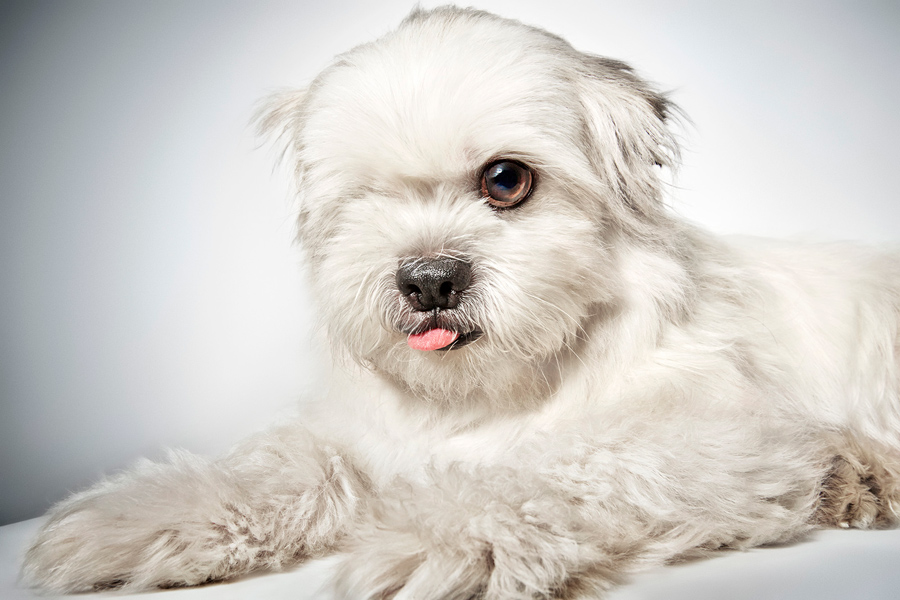
Richard Phibbs is a Canadian photographer who has done several different types of work that varies from advertising, fine art and his own personal work. One piece that caught my attention was his 2016 project ‘Rescue Me‘ which is a book he created where he was a longtime volunteer at Humane Society of New York (HSNY) where we photographed of dogs at the shelter who were up for adoption.

His book includes more than 70 images of these dogs who have survived heartbreaking circumstances, each image had information of said dog filmed with the emotional description of their struggle. Although the book was published by Aperture, the royalties went to HSNY to help benefit them and the dogs that they help.

For example, Little Lowell was discovered by police in a cramped cage on a hot day in May, dehydrated and covered in urine – under all his matted fur he was practically skin and bones, clearly he had been imprisoned for quite some time. One eye had to be removed due to the damage, however he had a long recovery from surgery as he had a severe fungal infection.

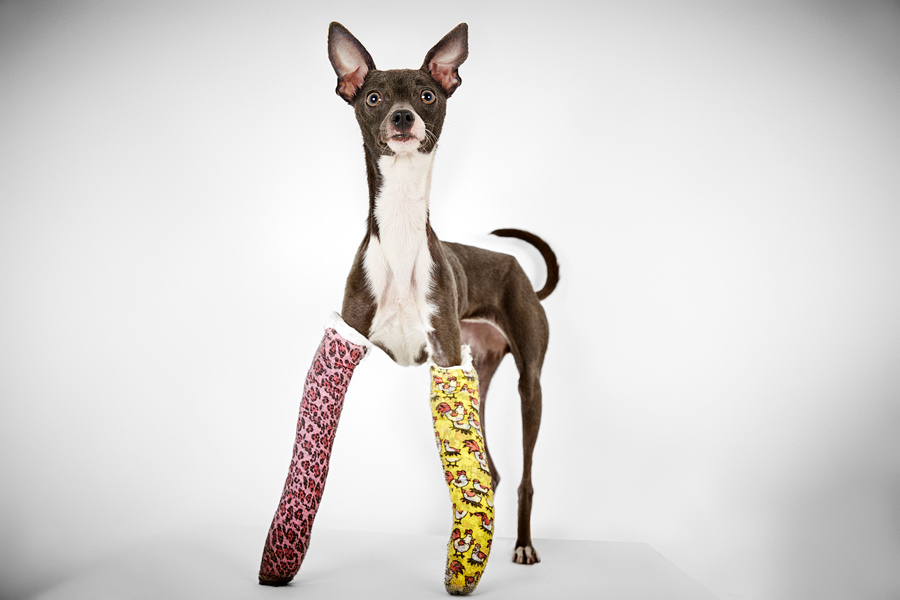
Yoko, a two-year-old Italian Greyhound was brought to the HSNY with two broken legs after her owner hadn’t ensured that was was properly nourished, this led to her bones becoming brittle. After 6 months of care, she needed a home where she could be treated delicately and would be protected.

This unit’s theme is ‘Power’ and I want to take it in the animal route. At first I thought about how I can not only incorporate animals into my project, but be able to produce work from it. Therefore I decided looking into how the way animals are photographed can really make a difference – for example, these two images immediately warms people’s hearts as they are both injured or have been injured.

Although not every person is the same, a lot of people nowadays do not want to re-home an injured, disabled or older dog, they wish to have a happy and healthy puppy as it is easier than having to take care for a dog who might need lots of attention and medical care.

It’s the same with advertising – they showcase their injured animals in hopes for people to either adopt or donate, a very common strategy in a lot of different industries.

A reoccurring theme in the Rescue Me book are people willingly giving up their dogs as they are unable to take care of them. It is easily done as so many people love the idea of having a happy, furry companion but never take into consideration the care they need – not just feeding and attention, but they need daily exercise, grooming and sometimes medical care, this then leads to people giving up their dogs as it doesn’t fit into their lifestyle – people think you can simply adopt or purchase a dog, easy…but it is not the case.

Their environment is a huge aspect you need to take into consideration – if you live in a set of flats, it’s not exactly the best idea to buy a large breed of dog, etc. They need room to play and run around, they can’t simply stay inside all the time and be fed and given water, there is a lot of care they need.

Finn

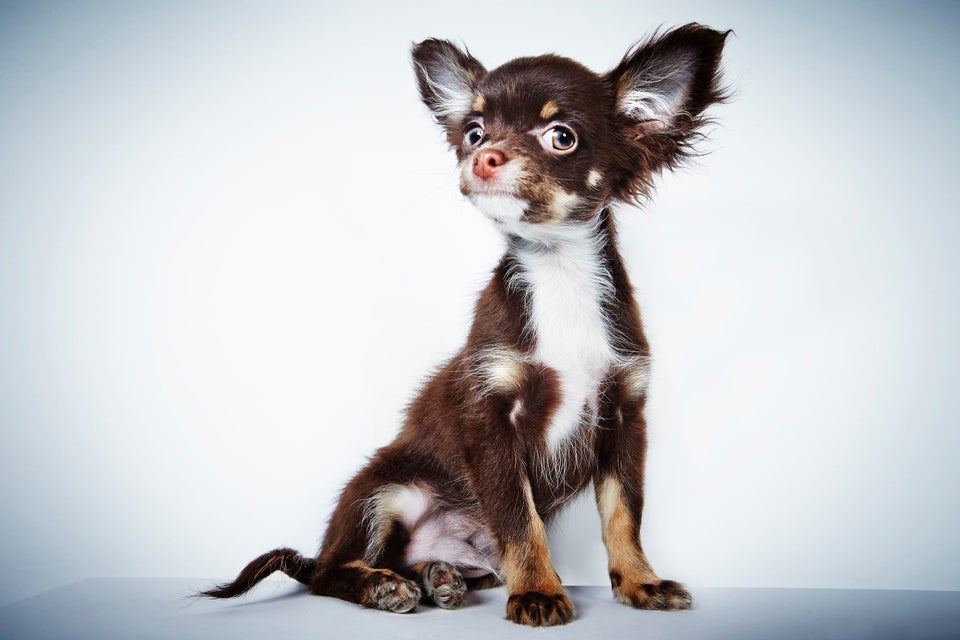
During his project, Phibbs found himself attached to one dog in particular – a long haired Chihuahua called Finn. In the end, he ended up adopting him.

Bibliography [Unit 12]

Richardphibbs.com. (2019)
 RICHARD PHIBBS. [online]
Available at: http://www.richardphibbs.com/biography/
[Accessed 29 Nov. 2019]

Epstein, E. (2019)
 Finding Their Forever Homes. [online]
The Atlantic. Available at: https://www.theatlantic.com/photo/2016/11/Rescue-Me-Book-Richard-Phibbs/506495/
[Accessed 29 Nov. 2019]

Google.com. (2020)
 macro photography nature – Google Search. [online]
Available at: https://www.google.com/search?tbm=isch&sxsrf=ACYBGNQPa2CgS_MNW7sIVRbbOtdf01eRYQ:1578328748995&q=macro+photography+nature&chips=q:macro+photography+nature,g_1:close+up:WpUbLMzhmf0%3D&usg=AI4_-kTVyx6aDZkR0nztpKJ8m03QpFTLnw&sa=X&ved=0ahUKEwjmvLDjtO_mAhX0URUIHdyyDnoQ4lYIMCgD&biw=1385&bih=719&dpr=2#imgrc=kqGK6F2H-dS9GM:
[Accessed 6 Jan. 2020]

Google.com. (2020)
 macro photography nature – Google Search. [online]
Available at: https://www.google.com/search?tbm=isch&sxsrf=ACYBGNQPa2CgS_MNW7sIVRbbOtdf01eRYQ:1578328748995&q=macro+photography+nature&chips=q:macro+photography+nature,g_1:close+up:WpUbLMzhmf0%3D&usg=AI4_-kTVyx6aDZkR0nztpKJ8m03QpFTLnw&sa=X&ved=0ahUKEwjmvLDjtO_mAhX0URUIHdyyDnoQ4lYIMCgD&biw=1385&bih=719&dpr=2#imgrc=DbSXAYo_NykmoM:
[Accessed 6 Jan. 2020]

Google.com. (2020)
Macro [online]
Available at: https://www.google.com/search?tbm=isch&sxsrf=ACYBGNQPa2CgS_MNW7sIVRbbOtdf01eRYQ:1578328748995&q=macro+photography+nature&chips=q:macro+photography+nature,g_1:close+up:WpUbLMzhmf0%3D&usg=AI4_-kTVyx6aDZkR0nztpKJ8m03QpFTLnw&sa=X&ved=0ahUKEwjmvLDjtO_mAhX0URUIHdyyDnoQ4lYIMCgD&biw=1385&bih=719&dpr=2#imgrc=PbhV1v0vhLMQ8M:
[Accessed 6 Jan. 2020]

Google.com. (2020
macro photography animal eyes cat – Google Search. [online]
Available at: https://www.google.com/search?biw=1385&bih=719&tbm=isch&sxsrf=ACYBGNSew52enzAEhb2PcPbr2ysQ92Gu1Q%3A1578330073027&sa=1&ei=2WcTXr6hAbHkgwfo7Lj4Dg&q=macro+photography+animal+eyes+cat&oq=macro+photography+animal+eyes+cat&gs_l=img.3…507759.508604..508963…0.0..0.173.524.5j1……0….1..gws-wiz-img…….35i39j0i30.jl-luQe5n90&ved=0ahUKEwj-8dzaue_mAhUx8uAKHWg2Du8Q4dUDCAc&uact=5#imgrc=i7zieiubvc_-kM:
[Accessed 6 Jan. 2020]

Google.com. (2020)
 macro spider photography – Google Search. [online]
Available at: https://www.google.com/search?safe=strict&biw=1217&bih=854&tbs=isz%3Al&tbm=isch&sxsrf=ACYBGNTTvHqLxDOSnvdpVJpntgMJg17wTA%3A1578475374275&sa=1&ei=bp8VXu-5EM2X8gLvtbywAg&q=macro+spider+photography&oq=macro+spi&gs_l=img.3.1.0i67l2j0l8.46442.47643..48923…0.0..0.63.489.10……0….1..gws-wiz-img…….35i39.PRCaKgojsyw#imgdii=TsPITWVwlPR2CM:&imgrc=X4C51T8tUAmIcM:
[Accessed 8 Jan. 2020]

Google.com. (2020)
macro photography [online]
Available at: https://www.google.com/search?q=animal+macro+photography&safe=strict&sxsrf=ACYBGNThaOok8xjJht1gmFZ4vJo64YA0_A:1578474812783&source=lnms&tbm=isch&sa=X&ved=2ahUKEwis0YL01PPmAhUaQkEAHbgHAPcQ_AUoAXoECA0QAw&biw=1217&bih=854#imgrc=JKr4qIfCF3dNtM:
[Accessed 8 Jan. 2020]

Google.com. (2020)
 animal macro photography – Google Search. [online]
Available at: https://www.google.com/search?q=animal+macro+photography&safe=strict&sxsrf=ACYBGNThaOok8xjJht1gmFZ4vJo64YA0_A:1578474812783&source=lnms&tbm=isch&sa=X&ved=2ahUKEwis0YL01PPmAhUaQkEAHbgHAPcQ_AUoAXoECA0QAw&biw=1217&bih=854#imgdii=O8w7B0FK-cK5QM:&imgrc=JKr4qIfCF3dNtM:
[Accessed 8 Jan. 2020]

Google.com. (2020)
 animal macro photography – Google Search. [online]
Available at: https://www.google.com/search?q=animal+macro+photography&safe=strict&sxsrf=ACYBGNThaOok8xjJht1gmFZ4vJo64YA0_A:1578474812783&source=lnms&tbm=isch&sa=X&ved=2ahUKEwis0YL01PPmAhUaQkEAHbgHAPcQ_AUoAXoECA0QAw&biw=1217&bih=854#imgdii=DYAnsw_YDxkr8M:&imgrc=ANC5PtyNY8EHoM:
[Accessed 8 Jan. 2020]

Google.com. (2020)
 nature microscopic photography – Google Search. [online]
Available at: https://www.google.com/search?safe=strict&tbm=isch&sxsrf=ACYBGNSxKo2nlSH2NvMwiOszBvXonE1wqA:1578477328087&q=nature+microscopic+photography&sa=X&ved=0ahUKEwiXvLSj3vPmAhVlmVwKHXWdBhYQrNwCCGYoAQ&biw=1217&bih=854&dpr=1#imgrc=8jeK-FSTPOkRtM:
[Accessed 8 Jan. 2020]

Google.com. (2020)
Microscopic Photography [online]
Available at: https://www.google.com/search?q=microscopic+photography&safe=strict&tbm=isch&tbs=rimg:CVQI9PpG_1fTcImCaa3mRXVkz108nQ9bw4XCKB0GEg3IJGTPJiQom3_1nbl_1U6QLI0gERkbHwDBV1eA_1TsY9aaawiAK21B8rhvW762svFWVRXds_1K6qAohOOIIKNJY1tyzlFmSM9bFLmqcgSEqEgmaa3mRXVkz1xHNT-wKyj5gfSoSCU8nQ9bw4XCKEc1P7ArKPmB9KhIJB0GEg3IJGTMRqJLwUP3Ys_1wqEgnJiQom3_1nblxFPVhr3nuNCXSoSCfU6QLI0gERkEcMqwt_1Tl4ycKhIJbHwDBV1eA_1QRBryBU0uSgdoqEgnsY9aaawiAKxEpxAGpv5G_1cSoSCW1B8rhvW762EQp61cMbUIVCKhIJsvFWVRXds_1IRbhrOMUxjy4UqEgm6qAohOOIIKBF2drzSqET6WioSCdJY1tyzlFmSEdmq-hgNqPqLKhIJM9bFLmqcgSERTMzzdEGb9VdhK5uQEX0de2I&tbo=u&sa=X&ved=2ahUKEwiI4PTf1_jmAhUCgRoKHQPMDTYQuIIBegQIARA8#imgrc=smLrGQWBYDE9yM:https://www.google.com/search?q=microscopic+photography&safe=strict&tbm=isch&tbs=rimg:CVQI9PpG_1fTcImCaa3mRXVkz108nQ9bw4XCKB0GEg3IJGTPJiQom3_1nbl_1U6QLI0gERkbHwDBV1eA_1TsY9aaawiAK21B8rhvW762svFWVRXds_1K6qAohOOIIKNJY1tyzlFmSM9bFLmqcgSEqEgmaa3mRXVkz1xHNT-wKyj5gfSoSCU8nQ9bw4XCKEc1P7ArKPmB9KhIJB0GEg3IJGTMRqJLwUP3Ys_1wqEgnJiQom3_1nblxFPVhr3nuNCXSoSCfU6QLI0gERkEcMqwt_1Tl4ycKhIJbHwDBV1eA_1QRBryBU0uSgdoqEgnsY9aaawiAKxEpxAGpv5G_1cSoSCW1B8rhvW762EQp61cMbUIVCKhIJsvFWVRXds_1IRbhrOMUxjy4UqEgm6qAohOOIIKBF2drzSqET6WioSCdJY1tyzlFmSEdmq-hgNqPqLKhIJM9bFLmqcgSERTMzzdEGb9VdhK5uQEX0de2I&tbo=u&sa=X&ved=2ahUKEwiI4PTf1_jmAhUCgRoKHQPMDTYQuIIBegQIARA8#imgrc=smLrGQWBYDE9yM:
[Accessed 10 Jan. 2020]

Google.com. (2020)
 microscopic photography – Google Search. [online]
Available at: https://www.google.com/search?q=microscopic+photography&safe=strict&tbm=isch&tbs=rimg:CZpreZFdWTPXImBUCPT6Rv303E8nQ9bw4XCKqeFM6KAnglUHQYSDcgkZM_1U6QLI0gERkWJdesbDCvKFFgaAyWwimiZ4iytikkYUHkupWk-_1Z2jawGQlA6b70CTPWxS5qnIEhFD_1GFsf8xHYqEglUCPT6Rv303BErm5ARfR17YioSCU8nQ9bw4XCKEc1P7ArKPmB9KhIJqeFM6KAnglURLtBQCmzAdQoqEgkHQYSDcgkZMxGokvBQ_1diz_1CoSCfU6QLI0gERkEcMqwt_1Tl4ycKhIJWJdesbDCvKERxB-I-wxfQRkqEglFgaAyWwimiRHwP5ZTXFlxyyoSCZ4iytikkYUHETaP4CPrHneWKhIJkupWk-_1Z2jYRxshQ0quXKI8qEgmwGQlA6b70CRF3lFa2Fzcp9CoSCTPWxS5qnIEhEUzM83RBm_1VXKhIJFD_1GFsf8xHYRXEDl1gqjeNVh41yIKHZAlYE&tbo=u&sa=X&ved=2ahUKEwj8hM3L6PjmAhUCxhoKHQJYCd0QuIIBegQIARA8&biw=1217&bih=854&dpr=1#imgrc=Ia8vSos9T_rLIM:
[Accessed 10 Jan. 2020]

Passions

National Geographic

National Geographic is known for covering several different topics including; history, science and travel. However there most common topics are animals and wildlife where they host annual photography competitions based solely around photography.

These contests don’t have to be solely animals, it can be landscapes of different countries as well as the culture. They don’t have one winner, however, they have several different winner slots for different categories. For example, this year’s competition they had; four total winners for the ‘travel’ contest, five winners for the ‘nature’ contest including an honourable mention and finally, five total winners for the ‘people’ contest.

I have always been passionate about National Geographic – I grew up obsessing over their many nature documentaries and found myself fascinated by their photographer’s brilliant work. As I grew up surrounded by pets and lived in a rural area, I only found National Geographic that much more interesting.

As a child, I was constantly spewing out animals facts to my parents having watched the documentaries or read a book revolving around the ‘weirdest’ animals discovered.

Ever since I was little, I knew I wanted to work with animals – I had a big plan on how I was going to do so, however that did in fact change, but I am still adamant on working with animals.

Other Influences

I also watched people such as Steve Irwin, Steve Backshall and Bear Grylls – I watched Deadly 60 on repeat and loved learning new things about nature or wildlife in general and I still do to this day.

During 1998, Steve Backshall worked for National Geographic to produce a series, however he only made the pilot before selling it to them. For three months he tried to walk solo through rainforest in the western of New Guinea – known as Irian Jaya. He was a producer and presenter for the show for five years.

He presented the expedition series Game for It and then the environmental series EarthPulse and then for the Bootcamp series he completed the Israeli special forces selection course, running 60 miles overnight to earn their red beret.

Bear Grylls is a very well known name, most commonly recognised for his series Born Survivor in 2006 in the UK but was broadcasted as Man vs Wild in Australia, New Zealand and the USA. The show consisted of him being dropped into inhospitable environments and show viewers how to survive. The series caught people’s attention to the extreme methods used as it wasn’t something you would see on national television. Grylls performed stunts such as climbing cliffs, ice climbing and parachuting from helicopters, etc.

However, the show did gain controversy in 2012 after a programme consultant revealed Bear Grylls actually stayed in motels on some of the nights, including an episode filmed in Hawaii where Grylls was “stranded” on an island. Grylls did apologise to any viewers who may have been misled.

Steve Irwin is definitely one of the most well names out of the three – he first gained his fame during 1996 on The Crocodile Hunter series. In 1970 Bob and Lyn Irwin opened Beerwah Reptile and Fauna Park , which was later co-owned by Steve and his wife, Terri in 1991 where they renamed it to Australia Zoo. Steve had grown up working at the zoo; working with a variety of animals, but mainly working hands on with the crocodile – hence gaining the name, Crocodile Hunter.

However, in 2006 Steve Irwin was reported dead after an incident with a stingray occurred whilst filming for a documentary Ocean’s Deadliest.

Photography Jobs

There are many routes you can take when choosing photography as a career. Some people go down the advertising route and work for companies to take photos of the product/s being advertised; this can be for restaurants such as McDonalds to photograph any new items that are to be advertised on posters or even billboards. It sounds like an easy task however some photographers who specialise in advertisement go above and beyond in order to get those final results. It takes several different attempts before getting that perfect final shot, it takes time and precision – meaning it takes a lot of patience.

Admittedly, everyone knows that the food advertised never looks as appetising as the image, however some of the techniques that are used in order to get the final image/s are very impressive.

Some people go down the nature route where they photograph wildlife and landscapes around the world. National Geographic is notorious for the nature photography, however it isn’t just a simple “filling out an application form” most photographers who work for National Geographic have already had around 5 to 10 years of previous experience in photojournalism with other magazines or newspapers. They are also highly skilled in various areas such as; landscape, wildlife, aerial and portraiture photography.

National Geographic has a assignment to assignment basis where a group of photographers and then they begin to develop stories internally. These articles take months to plan – in some cases, years in advance. The assignment are given to the photographer/s who are best fitted and will have the best outcome.

The salary for a National Geographic photographer varies from £18,000 to £30,000 but can very depending on the individual.

Bibliography [Unit 11]

The Art Career Project. (2019)
 Nature Photographer | Careers | Salary | Jobs || The Art Career Project. [online]
Available at: https://www.theartcareerproject.com/careers/nature-photography/
[Accessed 8 Nov. 2019]

Aperture.org. (2019)
 Rescue Me. [online]
Available at: https://aperture.org/shop/rescue-me/
[Accessed 8 Nov. 2019]

Nationalgeographic.com. (2019)
2019 National Geographic Travel Photo Contest Winners. [online]
Available at: https://www.nationalgeographic.com/contests/travel-photo-contest/2019/winners
[Accessed 27 Nov. 2019]

En.wikipedia.org. (2019)
 Steve Backshall. [online]
Available at: https://en.wikipedia.org/wiki/Steve_Backshall
[Accessed 27 Nov. 2019]

En.wikipedia.org. (2019)
 Steve Irwin. [online]
Available at: https://en.wikipedia.org/wiki/Steve_Irwin#Related_events
[Accessed 27 Nov. 2019]

En.wikipedia.org. (2019)
 Bear Grylls. [online]
Available at: https://en.wikipedia.org/wiki/Bear_Grylls
[Accessed 27 Nov. 2019]

Mygov.scot. (2019)
 Set up a business in the UK – mygov.scot. [online]
Available at: https://www.mygov.scot/start-business-uk/register-your-business-in-the-uk/
[Accessed 28 Nov. 2019]

Final Evaluation [Unit 10]

The theme for Unit 10 was “Current Affairs” which initially, I wanted to cover forest fires as the Amazon fire was in the news and still a big topic that was being discussed. However, I struggled greatly attempting to come up with ideas to do with said topic. Which then got me thinking about other topics I am passionate about that correlate with the theme, pollution and littering being two problems – two major problems which I had a passion for, the fact that it is a topic not too many cover only encouraged me to try and bring awareness to it as much as I can.

During the beginning of the project I did a lot of research regarding different artists and their styles, before I began to look at several artists who focus on littering and/or pollution. This helped me start thinking of ideas as I knew I wanted to cover these two topics, however I needed to be able to portray them in my work.

Despite my initial struggle with ideas, I came up with an idea. Everyday when I travel to and from college I find a large amount of litter – whether it be on the streets, roads or even thrown in bushes and trees. So, I went out and collected a selection of different types of litter; plastic being the most common.

So, after a few hours I managed to have several items in a bin bag ready to be photographed. I had a mixture of wrappers, bottles, bottle lids, cigarette filter boxes and paper packets.

Although I am quite happy with the results of my project, I still feel as though my time management was very poor – therefore, if I had to re-do my project, I would definitely create a plan in order to help me be a lot more organised as I successfully managed to get everything done by the deadline, however, I feel as though the quality of my work would have improved significantly if I had used my time more wisely.